Soothe Your Mind, Body, and Soul – Dive Into Massage Services Sanctuary
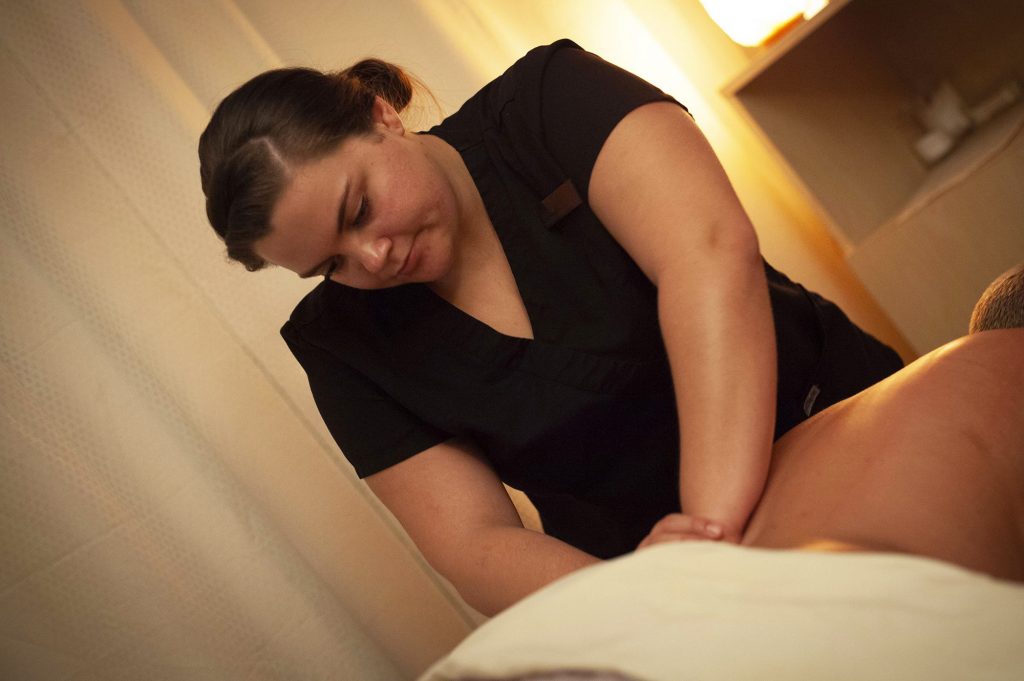
Nestled in the heart of a bustling city, lies a serene sanctuary dedicated to the restoration of mind, body, and soul – the Massage Services Sanctuary. Stepping through its doors feels like entering a haven where time slows down, and worries melt away. Every corner exudes tranquility, from the soft lighting to the gentle aroma of essential oils lingering in the air. The sanctuary is more than just a place for massages; it is a retreat from the chaos of everyday life. At Massage Services Sanctuary, the skilled therapists are not merely practitioners; they are artists, using their hands as brushes to paint strokes of relaxation and rejuvenation. Each massage is tailored to the individual needs of the client, whether it is to release tension from tired muscles, alleviate chronic pain, or simply provide a moment of blissful escape. From Swedish massages to deep tissue therapy, hot stone massages to aromatherapy, there is a treatment for every preference and ailment.

Dimmed lights and flickering candles create an atmosphere of intimacy and serenity. Plush robes and fluffy towels await, inviting guests to unwind and surrender to the healing touch of the therapists. Each massage room is a cocoon of comfort, with a cozy 춘천 마사지 therapies table adorned with fresh linens and plush pillows, ensuring the utmost relaxation during the session. Beyond the physical benefits, the sanctuary offers a refuge for the mind and soul. In today’s fast-paced world, where stress and anxiety often reign supreme, taking time for self-care is essential for overall well-being. Massage Services Sanctuary provides a sanctuary where guests can disconnect from the outside world and reconnect with themselves on a deeper level. The soothing touch of the therapists not only eases tension in the body but also calms the mind, allowing guests to find inner peace and clarity amidst the chaos of life. For those seeking a more holistic approach to wellness, the sanctuary also offers additional services such as meditation sessions, yoga classes, and energy healing therapies.
Whether it is a single session or a customized wellness package, guests leave the sanctuary feeling rejuvenated, refreshed, and ready to face the world anew. But perhaps the most valuable aspect of Massage Services Sanctuary is the sense of community it fosters. Here, guests are not just clients; they are welcomed into a warm and supportive environment where their well-being is the top priority. The therapists take the time to listen to each guest’s concerns and preferences, ensuring that every session is personalized to meet their specific needs. Whether it is a friendly smile at the reception desk or a heartfelt conversation after a session, the sense of connection and belonging is palpable. In a world filled with chaos and noise, Massage Services Sanctuary stands as an oasis of peace and tranquility. It is a place where guests can escape the pressures of everyday life, if only for a moment, and indulge in the restorative power of touch.